Motor lead wires need more than basic tape
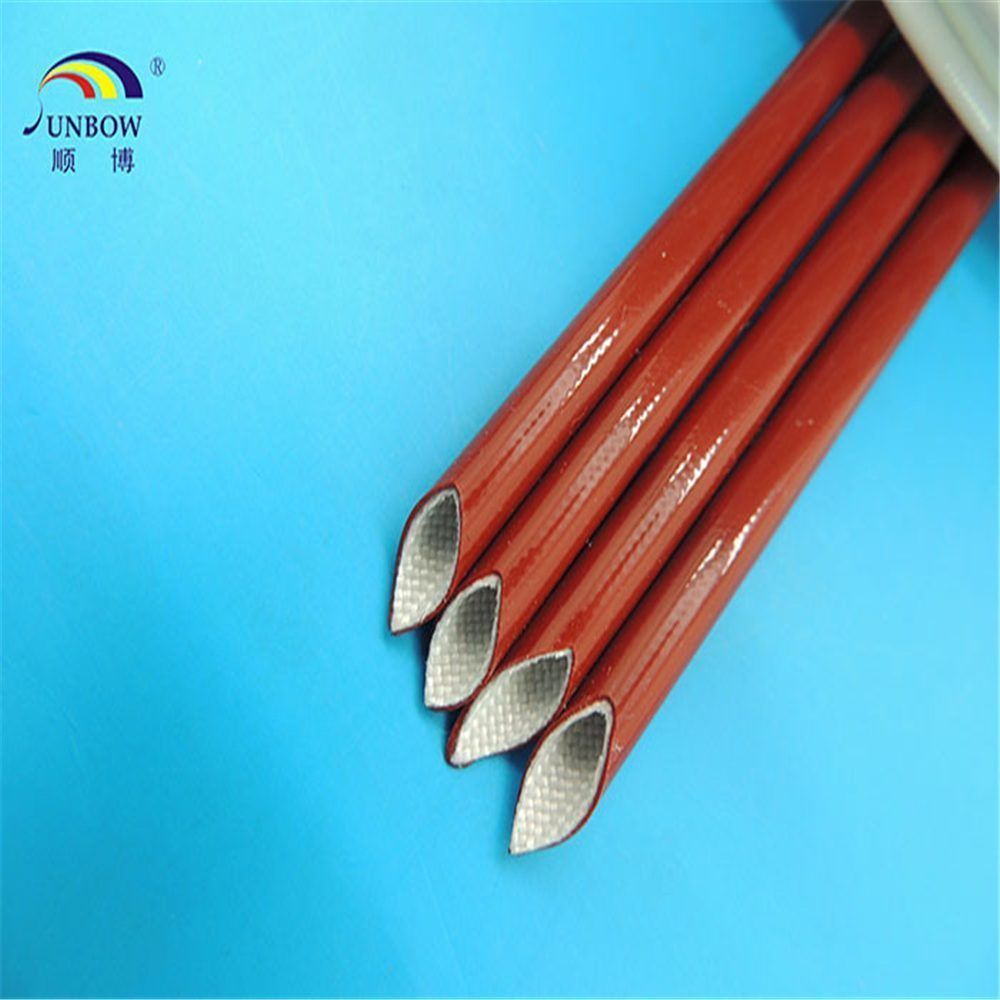
Industrial motors, servo drives, and compressor packages push lead wires through hot air paths and sharp sheet-metal edges. silicone fiberglass sleeving combines a braided glass fiber backbone with a flexible silicone coating, giving designers a sleeve that bends with the harness yet keeps dielectric distance. Within the broader fiberglass sleeving family, silicone-coated grades are preferred when continuous temperature and cut-through resistance both matter.
What to evaluate before freezing a BOM
- Rated voltage and dielectric strength for phase leads and NTC/PTC sensor wires
- Inner diameter vs. bundled lead OD after varnish or impregnation
- Flexibility after thermal aging near the endshield
- Color coding options for assembly mistake-proofing
SB-SGS-70 7.0KV silicone fiberglass sleeving is a common choice when projects call out higher withstand levels. For harsher abrasion zones, double layer silicone fiberglass sleeving adds a second protective layer without forcing a full redesign of the slot exit geometry.
Process tips from production lines
Cut square, deburr braid ends, and avoid over-expanding the sleeve during push-on. If impregnation resin contacts the sleeve, validate chemical compatibility early. Need help matching ID/OD charts to your lead set? send drawings for sizing, or check the FAQ for ordering basics. Reliable silicone fiberglass sleeving keeps motor insulation systems consistent from prototype to volume builds.
SUNBOW supplies fiberglass sleeving, heat shrink tubing, fluoropolymer tubes, and cable accessories for electronics, automotive, new-energy, and industrial programs. Pairing the right linked product family with early process validation shortens the path from prototype to volume and reduces insulation-related downtime. Share operating temperature, cable OD, and certification needs when you inquire for samples or datasheets.